Header Text - Choose the Right SSL Certificate to Protect Your Website

When you visit a website and see a padlock next to the address bar, that’s a sign the site uses SSL or TLS. These security tools protect the data you send through the site, whether you are filling out a contact form or purchasing online. An SSL certificate is what makes that protection work. It creates a secure connection between your browser and the website, so hackers can’t see or steal the information you enter. It also indicates that the website is real, not a fake version trying to tri… Read More
Header Text - Cloud Application Security: A Key to Business Safety

You use cloud applications when your business uses online apps like file-sharing tools, email services, or customer platforms. These apps are stored and run on cloud servers, not just your computer. Because these apps live online, they can be exposed to risks like hackers, data leaks, and other threats. That’s why application security in the cloud and secure Web Hosting are essential for every business. Cloud application security helps your business stay safe, online, and always open … Read More


Header Text - Secure Your Site with Quick Backups

A website backup is an important part of keeping your site’s files and data safe in case of server failures, cyberattacks, human error, or issues caused by updates. Without a proper website backup and restoration plan in place, you risk losing your content, images, and customer information. This can lead to extended downtime and possible financial losses while you try and recover everything. This guide will show you how to quickly and easily back up your site and implement a comprehensive websi… Read More


Header Text - Stay Secure with Proper SSL Management

Secure Sockets Layer or SSL Certificate management plays a big role in protecting the sensitive information shared between your site and its visitors. While the first step is buying and installing an SSL certificate, managing it effectively is essential for ongoing security, maintaining your business’s reputation, and visibility in search engine rankings. In this blog, we’ll explore the different parts of SSL Certificate management, giving you clear explanations and detailed steps to help y… Read More


Header Text - 10 Ways to Protect Your Site from Hackers

Asking “What is website security?” and what it involves in Web Hosting is even more important than ever with hackers becoming more sophisticated. Website owners need to quickly identify and address issues that can pose further risks, legal consequences and a loss of user trust. Implementing security best practices to protect your site from hackers is essential for any business. This blog will explain website security and outline 10 best practices to safeguard your site effectively.  Im… Read More


Header Text - Why External Website Security Matters

Cybersecurity threats to websites are increasing, with many attacks originating from multiple sources and targeting specific websites, highlighting the importance of external website security. These attacks include malware infections, phishing scams, Distributed Denial of Service (DDoS) attacks, and data breaches. To help protect your site, visitors, business, and reputation, this blog discusses what external website security is, the types of risks it addresses, and how to implement W… Read More


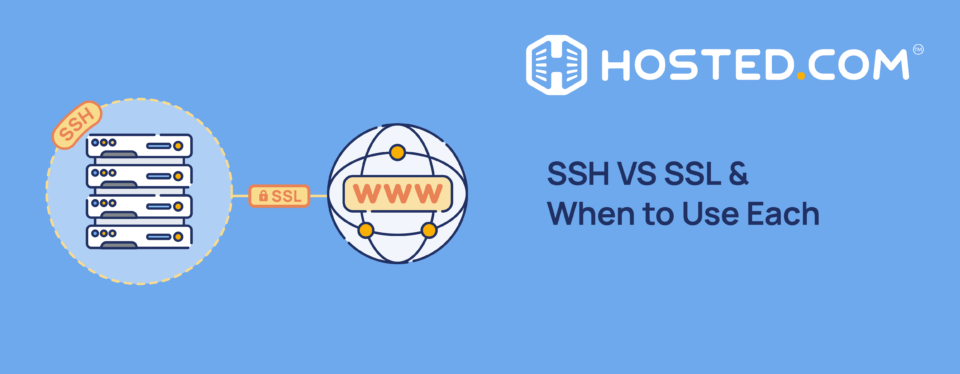
Header Text - SSH VS SSL & When to Use Each

Which is best – SSH vs SSL Certificates? Each has a different use regarding safety online, and understanding these will allow you to operate your website more efficiently and securely. Security should be the top priority when managing any website. SSH (Secure Shell) and SSL (Secure Sockets Layer) are two key components of website security that provide strong encryption to safeguard website data. In this guide, we break down what SSH vs SSL certificates are, how they work, their differences, … Read More


Header Text - The Critical Aspects of SSL Decryption Explained

Using SSL decryption, businesses can monitor encrypted data for hidden hazards while preserving information security by decrypting, examining, and re-encrypting traffic. This guide explains SSL (Secure Sockets Layer) certificates and decryption, their importance to modern cybersecurity, and how businesses can successfully use them to prevent hidden ransomware, spyware, and other threats in encrypted traffic. KEY TAKEAWAYS SSL (Secure Sockets Layer) and TLS (Transport Layer Security) encryption … Read More


Header Text - SSL Inspection: How it Works & Why it Matters

Cyber-attacks’ complexity is constantly evolving, and a growing worry has surfaced as more traffic is encrypted: people use encryption to hide attacks, making SSL inspection necessary. SSL (Secure Sockets Layer) and TLS (Transport Layer Security) encryption have become essential to guarantee that sensitive data is kept private and secure during transfer between websites and visitors. With an SSL Certificate, encryption protects data during transmission but can also hide threats. By detecting hi… Read More


Header Text - How Domain Security Protects Your Online Presence

Your domain name is the foundation of your business’s online identity, making the need for domain security a must. Many website owners underestimate the need for such security once they register a domain name. However, securing your domain has become essential, given the rise of fraud and security breaches. A compromised domain name can significantly impact your business, with monetary losses, a decline in customer trust, and harm to one’s reputation. This blog discusses common risks, exam… Read More