This blog covers the essential WordPress security checklist items you will need in 2025 if you’re running a WordPress site in. WordPress still powers a huge number of websites across the internet, which also means it’s a popular target for hackers. A single weak password or an outdated plugin can open the door to serious security issues. These problems aren’t always obvious. Sometimes hackers don’t break your site; instead, they sneak in quietly, steal data, or add harmful code without … Read More
Email spoofing occurs when someone copies your business email to fool others. Small businesses are easy targets because they frequently lack sufficient security tools or a tech team. If your email gets spoofed, it can damage your reputation and lead to lost trust or stolen data. That’s why it’s so important to stop spoofing before it does damage. This guide explains email spoofing, its threats, and provides email spoofing prevention tips and tools. You’ll learn about what to do if someone… Read More
A WordPress backup is an essential part of website maintenance and safety. They let you quickly recover from unforeseen issues like site crashes, malware infections, or hacking attempts, preventing data loss and protecting your content. Website owners often find themselves choosing between plugins and their WordPress Hosting service. In this blog, we’ll explain why WordPress backups are so important, compare the two methods, and cover their differences to help you protect your online business. … Read More
Having a well-written WordPress privacy policy isn’t just a legal requirement; it’s important for your online business’s credibility and building trust with customers. Keeping up with data protection regulations in WordPress Hosting while maintaining legal compliance and transparency with your visitors can often be confusing. This guide will help you understand what goes into a rock-solid privacy policy and how to implement one on your WordPress site, along with the various legal obligations … Read More
Running a business website means security risks. Hackers, server crashes, and software bugs can create data loss and downtime. That’s why choosing Web Hosting with daily backups is mandatory. It ensures that your site data is regularly saved so you can quickly restore it if something goes wrong. In this guide, you will learn why regular website backups are essential for business security, what to back up, how often to back up, and best practices for keeping your data secure. We’ll also explore … Read More
Understanding the difference between TLS vs SSL Certificates is essential for website security and for protecting confidential, sensitive data. These two protocols form the backbone of secure Internet communication by encrypting data transfers between web servers and browsers. Many people use these terms interchangeably without knowing their characteristics and differences. Understanding their use cases and which protocol offers better protection can help you make informed decisions about the s… Read More
When people buy an SSL certificate, they often focus on price, how fast it gets issued, and whether it works in all browsers. They also check if it’s Domain Validation (DV), Organization Validation (OV), or Extended Validation (EV). These details help you choose the right SSL Certificate for your website. However, many people overlook one important part: the SSL certificate warranty. This warranty is not about fixing your website or replacing your certificate. Instead, it offers financial pro… Read More
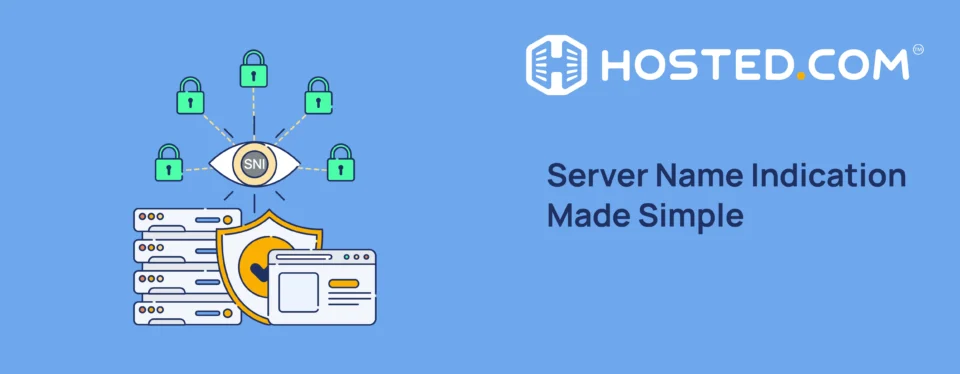
When you access a secure website, your browser and the server work together to keep your data safe. But how do servers know which website’s SSL certificate to use, especially when many sites share the same IP address? That’s where Server Name Indication (SNI) comes in. This guide explains the meaning of SNI, why it matters for HTTPS websites, and how it helps with shared hosting. You’ll also learn how SNI works, its benefits, common compatibility questions, and what encrypted SNI means fo… Read More
Secure Sockets Layer (SSL) certificates are now a must for every website. They protect the data sent between visitors’ browsers and your website by turning it into secure, encrypted code. Without this encryption, sensitive data like passwords or payment details remains plain text, which hackers can easily read. That’s why adding an SSL certificate is crucial for your site’s security and visitors’ trust. You can buy an SSL certificate or get one for free. This blog compares free SSL vs p… Read More
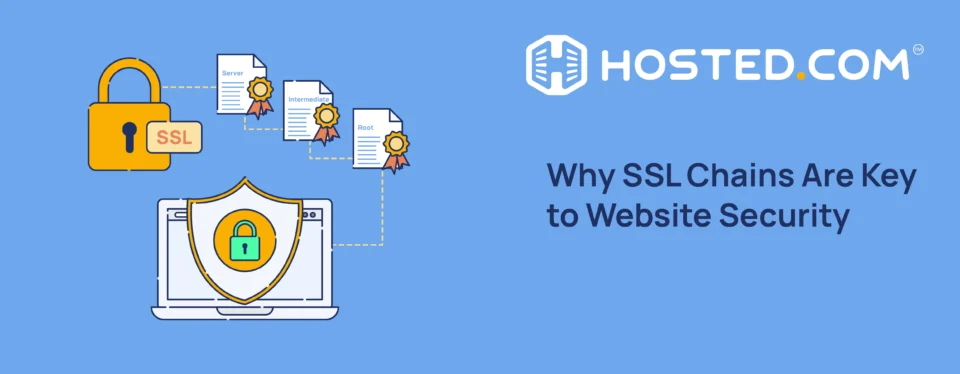
When you visit a secure website, you’ll notice a padlock next to the URL. That means the site uses Secure Sockets Layer (SSL), which protects the information you share. However, for SSL to work properly, it must have an SSL certificate chain. This chain links your website to a trusted source called a Certificate Authority, which proves your site is secure and trustworthy. If the chain is broken or incomplete, browsers may show warnings. So, understanding SSL chains is important for keeping yo… Read More