


 Contact Support
 Sign In

Starting a painting business is a great way to earn money doing something you enjoy. If you have the skills and a good eye for detail, you can turn your talent into a regular source of income and even grow it into a full-time career.
In this guide, we teach you the steps to make it happen. You’ll find out how to research the market, compile a simple business plan, and decide which services to offer.
We’ll also talk about the tools you’ll need to create a website, how to set your prices to make a profit, and the best ways to find new clients. By the time you finish reading, you’ll have a clear picture of how to start a painting business and grow it with confidence.
KEY TAKEAWAYS
- Start a painting business by planning it carefully and turning your skills into a steady income.
- Research your local market to learn what clients need, how much they’ll pay, and where you can stand out.
- Write a simple business plan to set clear goals and guide your growth.
- Build a brand identity with a unique name, logo, and values that people remember.
- Define your painting services, so clients know exactly what you offer.
- Register your business, secure the correct licenses, and open a business bank account to be compliant.
- Get insurance to protect yourself and your business from accidents or damages.
- Invest in durable tools and safety gear to deliver quality work and save time.
- Set fair prices based on research and costs to stay competitive while earning a profit.
- Create a professional site with a portfolio to build trust and attract clients.
- Promote your services using local ads, social media, and Google Business Profile to reach more people.
- Deliver excellent customer service by communicating clearly, cleaning up after jobs, and following up with clients to earn repeat business.
TABLE OF CONTENTS
How to Start a Small Painting Business
In this section, we cover the ten important steps required to start a painting business:
Step 1: Research the Painting Market
Before you start a painting business, know who your customers are and what they want. To do this, you must do market research. Market research isn’t only about numbers; it helps you discover opportunities, set the right prices, and plan marketing that works. When you understand your market, you can avoid wasting time and focus on strategies that bring real results.
Studying your market also lets you know which services are in demand. For example, homeowners may need exterior painting during summer, while offices might want fast interior jobs after hours. Research also helps you set fair prices. Charging too little won’t cover your costs, while charging too much without extra value could deter clients.
How to Research Effectively
Start by talking to people. Create short surveys using Google Forms or SurveyMonkey. Ask about their budget, what frustrates them with painters, and what would make them hire again.

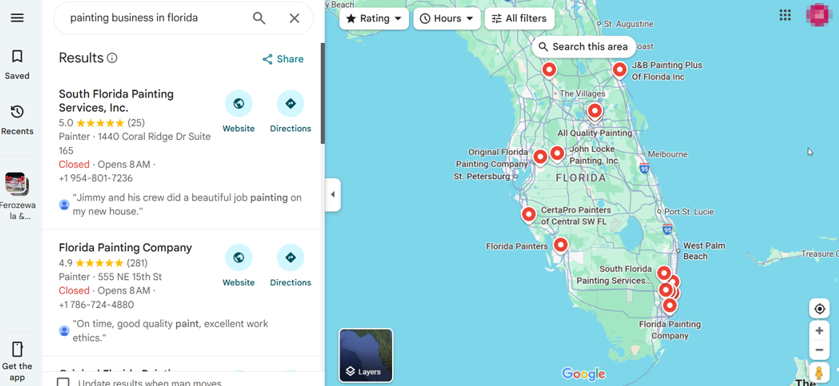
Social platforms like Facebook Groups are also great for community insights. Then, consider your competitors. Use Google Maps to find painting businesses in your local area, check their websites, and read customer reviews on Yelp or Angi.
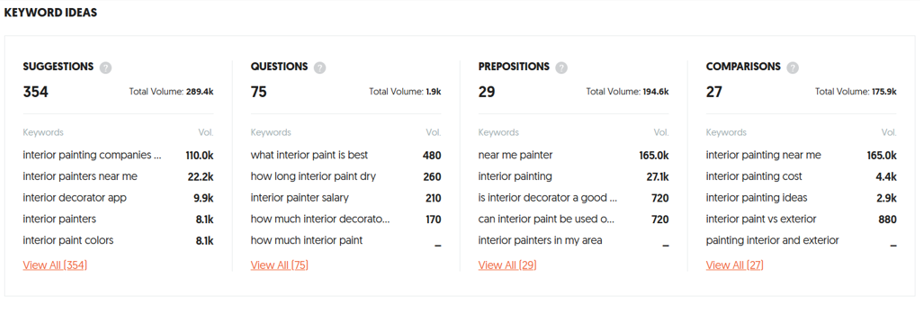
Paid tools like SEMrush, UberSuggest, or Ahrefs can also help you find the keywords other painters rank for, providing ideas about popular services people search online.
Lastly, find gaps to stand out. If many painters only handle interiors, you could offer eco-friendly exterior work. If they don’t provide warranties, you could market long-lasting results. This way, you’re not just another painter; you’re offering something unique.
Step 2: Write a Business Plan
Once you’ve done your market research, the next step is to create a clear business plan to act as a roadmap. It helps you stay organized, set realistic goals, and shows potential partners or lenders that you’re serious about your painting business. Without it, you may find yourself guessing about what to do next or how much money you’ll need.
What a Business Plan Should Cover
Start with an Executive Summary. This is a short overview of your painting business idea. Make it clear and straightforward. Include your goals, your vision, and how you plan to run your business in the first year.
Next, write the Company Description. Here, you’ll explain the services you offer, who your target customers are, and what makes you different from other painters.
For example, you may highlight fast turnaround times, eco-friendly paints, or warranties on your work. You should also include your business structure, whether it’s a sole proprietorship, partnership, or Limited Liability Company (LLC).
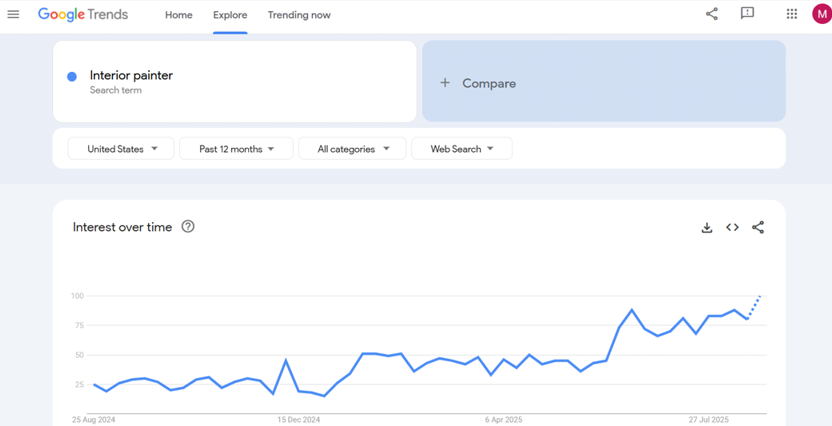
The Market Analysis section will build on your research. Include details about the local industry, current trends, and customer needs. You can use Google Trends to track interest in painting services in your area, or IBISWorld and Statista for industry reports if you want deeper insights.
Here’s a Sample One-Page Business Plan for a painting business
- Executive Summary
- Start small, by offering residential painting in [Your City].
- Goal: 20 projects in the first year, expand to commercial work by year two.
- Company Description
- Services: Interior and exterior painting, eco-friendly paint options, and warranty on finishes.
- Target Market: Homeowners and small offices in [Your City].
- Business Structure: Sole proprietorship, plan to register as LLC later.
- Market Analysis
- Demand: High during spring and summer based on Google Trends data.
- Competitors: 10 local painting companies, and none provide sustainable paints.
- Opportunity: Position as the go-to eco-friendly painter with fast service.
- Marketing & Sales Strategy
- Build a website with project photos and testimonials.
- Use Facebook Ads that target homeowners in specific zip codes.
- Offer referral discounts for the first 6 months.
- Financial Goals
- Startup Costs: $5,000 for tools, paint, and marketing.
- Pricing: $2.50 per square foot on average.
- Year 1 Revenue Goal: $50,000.
NOTE:
This is a sample business plan; ensure you update it according to your specific requirements.
Step 3: Establish Your Brand Identity
When you start a painting business, your brand plays a significant role. Branding not only includes your business name and logo; it’s also how people look at and remember your business.
A strong brand identity helps you stand out in a crowded market and makes it easier for customers to trust you. If people can quickly recognize your business, they’re more likely to call you when they need painting services.
Here’s how you can craft a memorable brand:
First, select a business name that’s easy to spell, easy to pronounce, and simple to remember. Avoid names that are too generic, as they can blend in with competitors. Select something distinctive that accurately represents your services. For example, “BrightCoat Painting” or “EverFresh Paintworks” immediately tells people what you do and leaves a clear impression.
Next, search for the corresponding domain name and register it.

Then, consider your business values and personality. Are you focused on eco-friendly painting, fast turnaround times, or high-end finishes? Defining what sets you apart helps shape how you present yourself online and offline.
You can reflect this personality in your logo, color choices, and even the way you write your website content. Here, free tools like Canva or paid services like Looka can help you design a professional-looking logo without needing advanced skills.
Finally, ensure your brand identity stays consistent everywhere, including your business website, business cards, uniforms, and also your social media posts. It’s important because consistency builds recognition, and recognition builds trust.
Step 4: Register Your Business and Get Licensed
Once you’ve chosen your services and brand name, it’s time to make your painting business official. To do that, register your business and get the correct licenses to protect you legally, build trust with clients, and simplify handling taxes and payments. Remember, operating without the correct paperwork can lead to fines or limit your ability to take on larger jobs.
Formal Steps to Operate Legally
First, register your business name. Ensure the name you’ve picked isn’t already taken by searching your local business registry or using online tools provided by your state or city.
After that, decide on a business structure. A sole proprietorship is simple, but it doesn’t separate your personal assets from the business. However, an LLC gives you more protection by keeping personal and business finances separate.
Here’s a quick comparison of business structures for you to understand:
| Structure | Pros | Cons | Best For |
| Sole Proprietorship | Easy to set up, low cost, full control | No personal liability protection, harder to raise funds | Solo painters starting small |
| Partnership | Shared responsibilities, more capital access | Shared liability, risk of disputes | Two or more people starting together |
| LLC | Personal liability protection, tax flexibility, and professional image | More paperwork, filing fees, and annual reports are required | Painters who want growth and legal security |
| Corporation | Strong liability protection, easier to raise large funds | Expensive, complex setup, strict regulations | Large painting companies with investors |
Next, check for data about your area’s required permits and licenses. Some states or cities may require a contractor’s license, while others may only need a general business license. Visit your local city hall website or state licensing board for exact details.
To keep your finances simple, open a business bank account. This makes it easier to track income, pay expenses, and file taxes correctly. It’s also smart to apply for an Employer Identification Number (EIN) through the IRS website if you’re in the U.S. – this works like a social security number for your business.

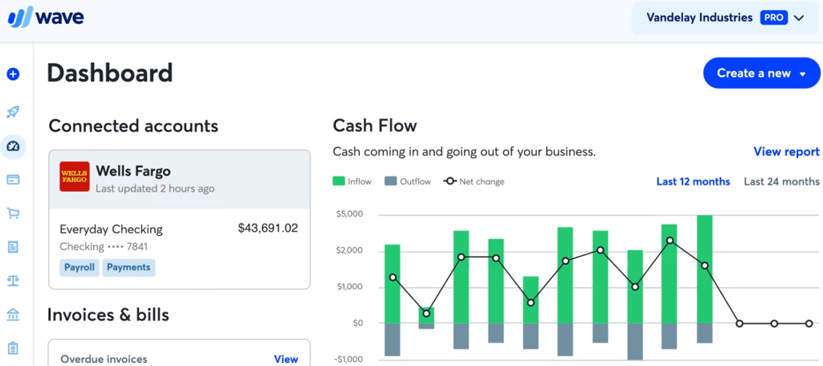
Finally, set up a simple system to track legal requirements and tax deadlines. For this, use tools like QuickBooks or Waveto help you manage invoices, receipts, and expenses in one place.

Step 5: Get Insurance
Painting jobs may seem low risk, but accidents can happen anytime. Spilled paint on a client’s expensive carpet, damage to property, or a worker’s injury can all cost you thousands of dollars if you’re not protected.
That’s why having the right insurance is a must when you start a painting business. It covers unexpected costs and shows clients you’re professional and trustworthy.
Here’s how you can protect yourself and the business:
The most important policy is General Liability Insurance. This covers damages if you accidentally break something, cause injuries, or a client makes a claim against your work. Many commercial clients won’t even hire you without proof of liability coverage.
You should also consider Workers’ Compensation Insurance if you plan to hire employees. This covers medical expenses and lost wages when someone is injured while working. Even if you’re starting alone, having this in place before hiring help will save you future stress.
For your equipment and tools, consider Commercial Property Insurance. Paint sprayers, ladders, and vehicles aren’t cheap, and replacing them can harm your budget. Some insurers also offer business owner’s policies (BOP), which bundle liability and property coverage into one affordable package.
To find the correct plan, compare providers like Hiscox, NEXT Insurance, or Nationwide. Many provide quotes online and customize policies for small contractors.
Hosted.com® offers painters everything required for a strong online presence. With our easy-to-use Website Builder and reliable Web Hosting, you get fast performance, built-in security, and simple tools to create a professional, effective website that showcases your work.
Step 6: Invest in Quality Equipment
When you start a painting business, it can only be as good as the tools you use. Cheap supplies may save money in the beginning, but they wear out quickly and can lead to poor results. However, investing in quality equipment helps you work faster, deliver cleaner finishes, and leave clients satisfied. When your tools perform well, jobs go smoothly, and you build a reputation for professional work.
Core Tools and Supplies
At the very least, you’ll need high-quality brushes and rollers for different surfaces. Wide rollers speed up wall coverage, while angled brushes provide clean lines around trims and edges. Drop cloths and painter’s tape are essential for protecting floors, furniture, and creating sharp borders.
For larger projects, a paint sprayer can save hours by evenly covering large surfaces. You’ll also need sturdy ladders or scaffolding for exterior jobs, along with extension poles for reaching ceilings. Don’t forget safety gear, such as gloves, goggles, and masks, to protect yourself from dust and fumes.
Why Quality Matters
Durable equipment doesn’t just last longer; your work will look better. For example, a professional-grade brush holds more paint and reduces streaks, while a reliable ladder keeps you safe and steady. Using the right gear also means fewer delays and mistakes; this improves productivity and client satisfaction.
If you’re unsure where to start, suppliers like Sherwin-Williams, Home Depot, or Lowe’s carry professional-grade painting tools. To track your budget, you can list all supplies in a Google Sheet and update it as you expand.
Step 7: Set Your Pricing
One of the most difficult things to consider when you start a painting business is deciding how much to charge. If your prices are too low, you won’t cover your costs. If they’re too high without a clear value, clients may choose another business. That’s why setting the right pricing ensures you stay competitive while making a fair profit.
How to Price Effectively
Begin by checking what other painters in your area charge. For this, look at competitor websites, call for quotes, or search local listings on sites (e.g., Angi, Yelp, or Thumbtack). This provides a benchmark so you don’t underprice or overshoot the market.
Once you know the average rates, calculate your own costs. Add in paint, tools, labor, travel expenses, insurance, and marketing. Include a profit margin so you don’t just break even. A typical margin for painting services ranges between 20% to 30%.
When it comes to pricing formats, you have a few options:
- Hourly Rates: Common for small jobs or touch-ups. Many painters charge between $20-$50 per hour, depending on skill and location.
- Per-Square-Foot: Useful for larger projects. Rates often range from $1.50-$4 per square foot, depending on the surface and complexity.
- Package Deals: Bundle services (like wall prep, two coats of paint, and trim work) into a fixed price. This makes it simpler for clients to have an idea of what they’re getting and helps you sell higher-value jobs.
To keep track of estimates, tools like Jobber, FreshBooks, or QuickBooks can help you generate professional quotes and invoices.

Step 8: Create a Business Website and Portfolio
In today’s world, most clients search online before hiring a painter. That’s why having a business website and portfolio isn’t optional; it’s one of the best ways to show your work, build trust, and attract steady leads. A clean, easy-to-navigate website shows your professionalism and makes it simple for people to contact you.
Initially, start with a simple website that includes the basics:
- The services you offer.
- Your pricing guide or starting rates.
- Clear contact details.
Ensure your phone number, email address, and service area are easy to find. Adding an online form for quotes can also save you time and help capture new leads.
Remember, the highlight of your site should be your Portfolio Gallery. Before-and-after photos of your projects show potential clients the work that you do. Organize photographs by category, such as interior painting, exterior work, or decorative finishes, so visitors can immediately see examples that match their needs.
If you want to go a step further, add testimonials from past clients. A few positive reviews can convince hesitant customers to book with you. You might also include a blog where you share painting tips or color trends. Not only does this show expertise; it can also help your website rank better on search engines through SEO.

As far as building a website is concerned, it isn’t complicated. You can launch your site in minutes with Hosted.com®’s Website Builder, or you can use WordPress, which offers drag-and-drop builders.

TIP:
If you decide to use WordPress, refer to our handy How to Guide for Building a Website With WordPress tutorial.
For graphics, use Canva. Ensure your website loads quickly, works well on mobile, and includes keywords such as “painting services in [your city]” to attract local traffic.
Step 9: Develop a Marketing Strategy
Even if you’re the best painter in town, people won’t hire you if they don’t know you exist. That’s why, when you start a painting business, having a clear marketing strategy is just as important as your painting skills. The right approach helps you reach more clients, stand out from competitors, and build a steady flow of jobs.
Here’s how to get noticed:
- Flyers & Business Cards: Print and share them at hardware stores, coffee shops, or community boards. They’re simple, affordable, and great for local exposure.
- Local Directories: Add your business to online and offline directories so nearby clients can easily find you.
- Word-of-Mouth: Encourage happy clients to recommend you. Referrals are often the most trusted form of marketing.
- Google Business Profile: Create a free listing, so your business appears on Google Maps and in local searches. This boosts visibility and credibility.
- Social Media (Facebook, Instagram, TikTok): Post before-and-after photos, short videos, and client testimonials to showcase your work and attract new clients.
- Search Engine Optimization (SEO): Use location-based keywords, such as “residential painters in [your city]”, on your website to rank higher in searches.
- Promotions & Discounts: Offer special deals for first-time clients or create referral rewards to encourage repeat business.
Step 10: Provide Exceptional Customer Service
A painting business doesn’t just grow from skill alone; it grows when clients are happy with the entire experience. Good customer service ensures people trust you, recommend you, and hire you again. In fact, one satisfied client can bring in multiple new jobs through referrals, which saves you money on advertising.
So, always get there on time and be prepared. Being punctual and professional tells clients you respect their time. Communicate clearly about the work schedule, the products you’ll use, and how long the job will take. Clients appreciate knowing what to expect instead of being left in the dark.
Now, before starting the job, provide a written estimate that includes the cost of labor, paint, and extra services. Here, you can use Jobber or FreshBooks to create professional estimates that are easy for clients to understand.
After finishing the job, don’t just pack up and leave. Instead, follow up with a quick call or message to check if everything looks good. This step shows you care about quality, even after you’ve been paid.
Most importantly, always try to exceed expectations. Clean up the work area, double-check for missed spots, and offer small extras, such as touching up trim. These little details leave a strong impression and often lead to positive reviews and referrals.

Find the Perfect Domain Name – AI Domain Name Generator
VIDEO: How to Find the Perfect Domain Name – AI Domain Name Generator
FAQS
Do I need painting experience to start a painting business?
Yes, basic experience is important. Clients expect professional results, so you should know how to prep surfaces, apply paint evenly, and handle different finishes. If you’re new, practice on smaller jobs, take short courses, or work under an experienced painter before starting your own business.
What’s the best way to handle customer complaints?
Listen carefully, stay professional, and respond quickly. Offer to fix issues or provide touch-ups when required. Resolving complaints with care often turns unhappy clients into repeat customers and helps build your reputation.
What’s better when you start a painting business website: a website builder or WordPress?
Both options can work, but it depends on your requirements. A website builder is beginner-friendly and includes drag-and-drop tools that allow you to launch quickly without coding. It’s best if you want something simple and low-maintenance. WordPress, on the other hand, offers more flexibility, SEO control, and customization. It’s a better long-term choice if you plan to blog, showcase a large portfolio, or scale your online presence.
Can digital marketing really help a local painting business?
Yes, digital marketing makes a big difference. Google Business Profile, social media, and local SEO help new clients find you online. Even simple before-and-after posts on Instagram or Facebook can bring in steady leads.
What do you need to start a painting business?
To start a painting business, you’ll need painting skills, quality tools (brushes, rollers, ladders, drop cloths, and safety gear), and reliable transportation. You must also register your business, acquire the correct licenses, and secure insurance for protection. A business bank account and accounting software help manage finances. Finally, build a website or portfolio to showcase your work and invest in marketing strategies to attract clients. These basics set you up to operate legally and professionally.
Other Blogs of Interest
– Social Media for Small Businesses – A Comprehensive Breakdown
– Best Cheap Website Builder For Small Businesses
– 6 Tips to Find the Best Email Hosting for Small Business
– Email Marketing For Small Businesses: A Beginner’s Guide
– Top Email Security Tips To Protect Your Small Business
- About the Author
- Latest Posts

Chantél Venter is a creative writer, strategic thinker, and a serious gesticulator. She’s passionate about storytelling, small businesses and bringing color to the world – be it through her words or wardrobe.
She holds a four-year degree in Business and Mass Media Communication and Journalism. She’s been a copywriter and editor for the technology, insurance and architecture industries since 2007 and believes anybody can run a small business successfully. She therefore enjoys finding and sharing the best and most practical tips for this purpose.