


 Contact Support
 Sign In
When you start a photography business from scratch, it is exciting, but also a little nerve-wracking. Loving photography is a great first step, but turning that passion into a business means learning how to attract clients, build trust, and stay organized. Luckily, you don’t need to figure it all out at once when working out how to build a photography business. You just need a clear plan to follow.
This guide explains the main steps you need to start a photography business with confidence. You’ll learn how to research the market, find your niche, and shape your brand.
We also explain how to set fair prices, get the right gear, build a website, and spread the word so people can find you. By the time you’re done reading, you’ll have a simple roadmap that takes you from a hobbyist with a camera to a professional photographer ready to start booking clients.
KEY TAKEAWAYS
- Divide your photography business into clear steps, from planning to growth.
- Research your local market to understand demand, pricing, and competitors’ offers.
- Pick a niche to focus on, the type of work you enjoy, and clients pay for.
- Build a strong brand name and keep everything on your site consistent to earn trust and recognition.
- Write a simple business plan to organize your goals, services, marketing, and finances.
- Register your business, open a bank account, and take out insurance to stay professional and protected.
- Invest in the right equipment, rent when needed, and deliver high-quality work from the start.
- Create clear packages and set prices based on your costs and local market signals to stay profitable.
- Launch a professional website with SEO basics, fast loading, and a booking system to attract clients.
- Promote your services on social media, use local SEO, build partnerships, and test ads to grow visibility.
- Deliver excellent client experiences, request reviews, and set up referral programs to turn clients into repeat customers.
TABLE OF CONTENTS
How to Start a Photography Business
When you start a photography business, it becomes much easier when you break it down into smaller phases. Instead of trying to do everything at once, consider it a journey that moves from planning to launching, and then to growing. Each stage has its own set of tasks, and when you follow them in order, you’ll avoid confusion and keep moving forward.
We’ve split this into three stages, which are given below:
- Pre-launch (Steps 1–4): This is the planning phase. Here, you research the market, decide which photography niche suits you best, choose a business name, and prepare a simple business plan. These steps provide direction and ensure you’re not starting blindly.
- Launch (Steps 5–8): Once your photography business plan is clear, it’s time to bring it to life. In this phase, you register your business, gather the correct equipment, set your pricing, and build your photography website. These tasks set the foundation for your business to operate professionally.
- Post-launch (Steps 9–10): Once you have launched, the focus shifts to growth. You’ll work on promoting your services, reaching new clients, and building long-term relationships. This stage is about turning your first bookings into a steady flow of business.
By moving through these three phases step by step, you’ll stay organized and know exactly what to focus on at each stage of your photography business journey.
Step 1: Research the Photography Market
Before offering your services, it’s essential you understand the market you wish to be part of. Good research helps you know who your clients are, what they want, and how much they’re willing to spend. Without this step, you risk setting prices too high or offering services nobody is looking for.
Here’s what you need to do in this step:
Define your target clients in your city or region. Are they couples wanting wedding photography, small businesses needing product shoots, or families looking for portraits? Write down their needs, their average budgets, and the most common types of shoots they look for. This provides a clear picture of where the demand is strongest.
Next, study your competitors. Visit their websites, social pages, and portfolios. Take note of their photography style, the packages they offer, and how clients review their work. Look for gaps you can fill, such as quicker delivery times, better customer service, or a unique editing style.
You should also check local price ranges. Many photographers post their rates online, so save a few examples and compare what’s included in each package. This helps you set realistic prices later and avoid undervaluing your work.
Finally, look at the complete industry. For example, according to the U.S. Bureau of Labor Statistics, the median U.S. photographer wage was $20.44 per hour in May 2024, and jobs are expected to grow by about 2% from 2024 to 2034. Numbers like this set expectations and show you what’s possible when you grow steadily.
Step 2: Pick Your Photography Niche
Not every photographer offers the same services, and that’s okay. Choosing a niche helps you focus on the kind of work you enjoy while targeting clients who are ready to pay for it. Common niches include:
- Weddings.
- Family portraits.
- Newborn sessions.
- Events.
- Product photography for small businesses.
- Real estate shoots.
- Food photography.
- Sports coverage.
- Pet portraits.
- Branded lifestyle content.
To make the right choice, you need to balance your passion and the demand. For example, weddings are a strong niche because couples often spend a large section of their budget on photography packages (this can amount to several thousand dollars). This shows that some niches have higher earning potential than others.
Here are some tools and tips to find your niche:
- Google Trends: See what types of photography people are searching for most in your area.
- Instagram & TikTok Hashtags: Explore tags like #weddingphotography or #productphotography to spot trends and popular styles.
- Survey Potential Clients: Use Google Forms to ask friends, family, or local groups which type of photography services they’d hire.
- Check Freelance Platforms: Monitor listings on Fiverr or Upwork to see the categories with consistent demand.
- Analyze Competitor Websites: Note which galleries are featured most often. If a photographer highlights weddings or real estate, it’s usually because that work brings consistent income.
Once you’ve done your research, define your why. Consider why you want to shoot in this niche, what style you’ll use, and what results clients can expect. Perhaps you’re interested in timeless wedding portraits, bold product shots, or warm family images that tell a story. This clarity not only attracts clients but also helps you stand out from competitors.
By the end of this step, you should be able to write a clear niche statement, outline a sample package list, and plan a small starter portfolio with about a dozen photos that reflect your chosen style.
Step 3: Name Your Business & Build Your Brand
When you start a photography business, your business name is often the first impression people get, so it should reflect your style and the type of clients you want to attract.
Begin by brainstorming names that feel personal, easy to remember, and relevant to the photography niche. Once you have a few strong ideas, check if the matching domain is available.

You should also explore social media handles for brand consistency. Having the same name across platforms makes it easier for clients to find you online.
After you’ve selected a name, the next step is to shape your brand identity. Create a simple logo that looks clean and professional, then select one or two fonts and two to three colors that match your style. Stick to web-safe fonts so your website loads smoothly and looks good on all devices.
Here are some helpful tools you can use for this step:
- Domain Name Ideas: Use Hosted.com®’s AI Domain Name Generator to brainstorm and check availability.
- Logo Design: Platforms, including Canva or Adobe Express, help you create professional-looking logos without advanced design skills.
- Color Palettes: Try Coolors or Adobe Color to find colors that work well together and fit your brand’s mood.
To simplify things for you, we’ve listed some examples of strong photography brand names that you can look at for inspiration:
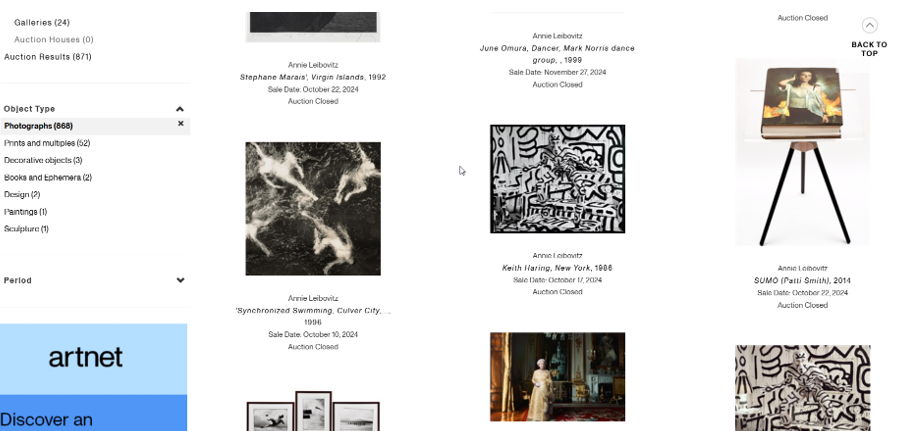
Fine Art Style: Renowned photographer Annie Leibovitz doesn’t run a small business website, but her work is represented through galleries, exhibitions, and publishers. She’s a useful example of using your name as a brand, which keeps it timeless and personal.
Wedding Niche: Junebug Weddings Photography instantly signals its focus on weddings with a unique, memorable word.

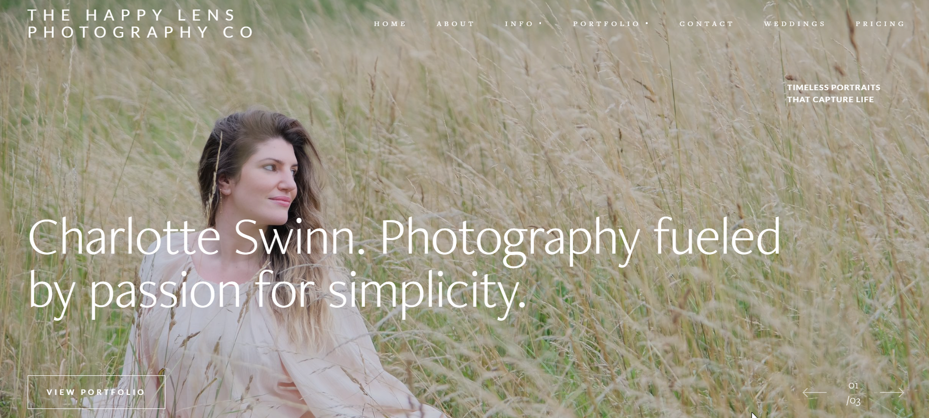
Lifestyle/Family: The Happy Lens is friendly, easy to recall, and speaks to family and portrait sessions.

Commercial/Business: Pixel Perfect Photography is an example of a professional tone that works well for corporate or product photography.
Remember, consistency is key once you’ve made your choices. Use the same colors, fonts, and overall voice across your website, social media, invoices, contracts, and any guides shared with clients. This makes your business look professional and helps people instantly recognize your work.
By the time you finish this step, you should have a simple brand sheet that includes your chosen name, logo draft, color codes, fonts, brand voice, and a few sample photo treatments. This will maintain consistency as your business expands.
Step 4: Write a Photography Business Plan
When you start a photography business, writing a business plan may sound formal, but it’s simply a way to organize your ideas and set goals you can measure. It also helps you avoid mistakes by considering your services, costs, and marketing before you dive in.
- Start with an executive summary. This short section explains your mission, who your audience is, the services you’ll provide, and the goals you want to reach in the next year or two. Keep it brief but clear, as it sets the tone for the rest of your plan.
- Next, move into a market analysis. Consider the demand for photography in your area, which competitors are active there currently, and how much they charge. This provides a map of the local market and helps you position yourself best.
- Outline your services in detail. List the types of sessions you’ll offer, the packages available, and any add-ons like albums, prints, or extended usage licenses for commercial clients. Being clear upfront makes it easier to set prices later and avoids confusion with clients.
- Then, plan your marketing strategy. This should include how you’ll build your website, your approach to social media, how often you’ll use email campaigns, and whether you’ll start a referral program. Marketing doesn’t need to be complicated; instead, it just needs to be consistent.
- Don’t forget operations. List the equipment you own or plan to buy, how you’ll back up client files, whether you’ll work from a home studio or on location, and how long it will take you to deliver photos after a shoot. Clear systems here save time and build trust with clients.
- Finally, cover the financials. Create a startup budget that includes gear, software, insurance, and marketing. Write down your expected monthly expenses and set a realistic break-even point. Add a simple 12-month revenue forecast to see how many shoots you need each month to stay profitable.
By the end of this step, you should have a working plan that’s around six to 10 pages long. Keep it flexible, update it monthly as you learn more about your clients, and adjust your goals. A living plan like this keeps your business on track and helps you grow with confidence.
TIP:
You can download a free, fill-in-the-blanks photography business plan template from Upmetrics. For a real example to follow, check out the sample from Bplans. Then, for a simple starter template with guided prompts, there’s one from Full Frame Insurance that works great.
Step 5: Register When You Start a Photography Business
Once you’ve planned your services and brand, the next step is to make your business official. Registering your photography business gives you legal protection, helps build client trust, and makes it easier to manage money and taxes.
The first decision is choosing a legal structure. Many photographers start as sole proprietors because it’s simple and inexpensive. However, if you want stronger protection for your personal assets, forming a Limited Liability Company (LLC) is often a better choice. If you’re unsure which works best for you, it’s smart to consult a local tax or legal professional.
After you’ve picked a structure, check if you need a tax ID in your country. In the U.S., this is referred to as an Employer Identification Number (EIN). Having a tax ID allows you to open a business bank account. From day one, it’s essential to keep business and personal finances separate, as this makes tracking income and expenses much easier during tax season.
Next, confirm whether your location requires licenses or permits for photography services. Some cities or states may ask for a General Business License or special permits if you’re shooting in public places or using a studio. To verify what local licenses or permits your area requires for operating a small business, you can use state or local license lookup tools.
Finally, protect yourself with insurance. At minimum, you’ll want General Liability Coverage in case of accidents, plus equipment insurance to protect your camera and gear. If you’re working with businesses or large events, adding Professional Liability Insurance is a smart extra step.
By completing this step, you will have all the basics in place: official registration documents, a tax ID or local equivalent, a dedicated bank account, and insurance that covers your work. These steps not only keep you compliant but also show clients that you’re running a professional and trustworthy business.
Hosted.com® makes building your photography website simple with one-click WordPress setup, secure Web Hosting, professional email, and built-in SEO tools. Focus on capturing and serving clients while we take care of all the technical details to keep your site fast, safe, and reliable..
Step 6: Choose the Right Equipment
Your photography business can’t run without the right tools, and the good news is you don’t need to buy everything at once. Begin with a basic kit that allows you to shoot various types of sessions while keeping costs manageable.
A good starter kit usually includes:
- Reliable DSLR or mirrorless camera body.
- Versatile lens, like a 50mm prime or a 24–70mm zoom.
- Spare batteries.
- High-speed memory cards (SD or CFexpress).
- Sturdy tripod.
- Cleaning kit,
- Protective camera bag.
This setup covers most basic shoots and gives you the flexibility to capture portraits and events.
Next, consider lighting. Start with an on-camera flash, then expand to softboxes, reflectors, and light stands when your budget allows. Good lighting often matters more than having multiple expensive lenses.
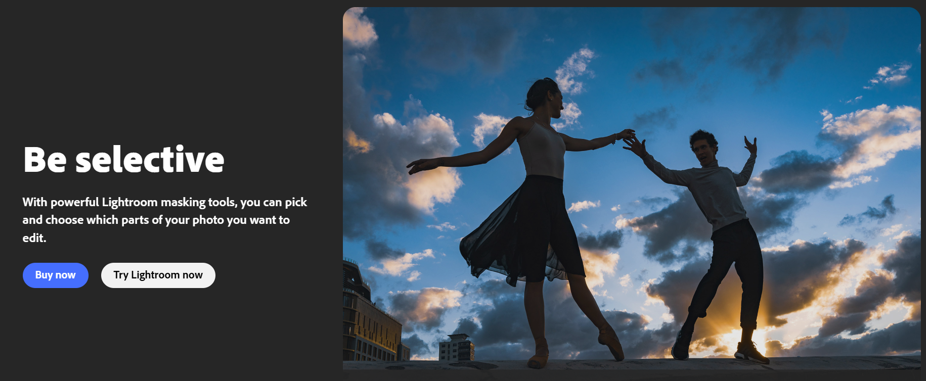
You’ll also need proper editing tools. For instance, Adobe Lightroom and Photoshop are industry standards for photo editing. Pair them with a color-calibrated monitor so your photos look correct on screens and in print.
Don’t overlook storage and backup. For this, follow the 3-2-1 rule: keep three copies of your photos, on at least two different devices, with one stored off-site or in the cloud. Here, services like Google Drive, Dropbox, or external hard drives make this easy.
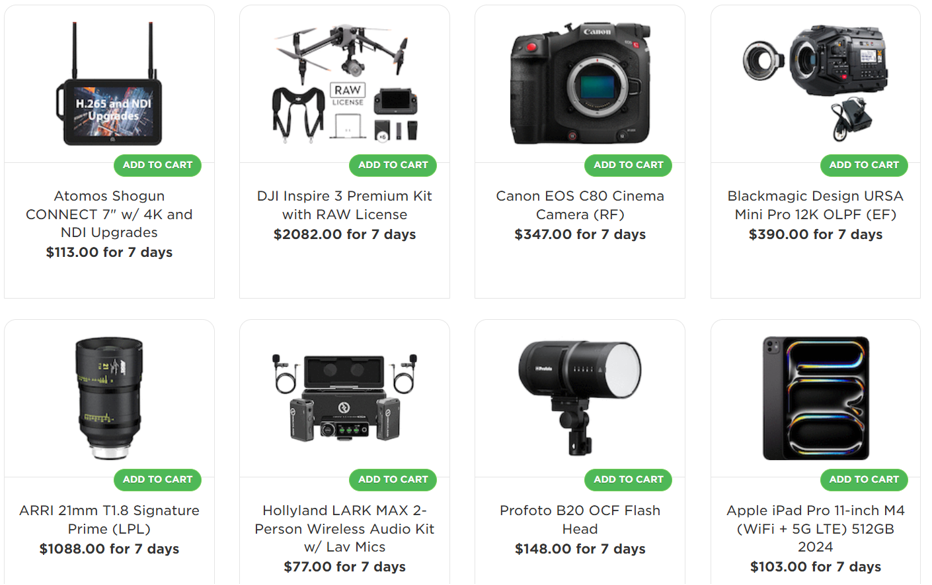
However, if you’re concerned about cost, consider renting equipment for big jobs or buying used gear from trusted sellers. Rental platforms, such as Lensrentals and BorrowLenses, let you test cameras, lenses, and lighting before you invest.
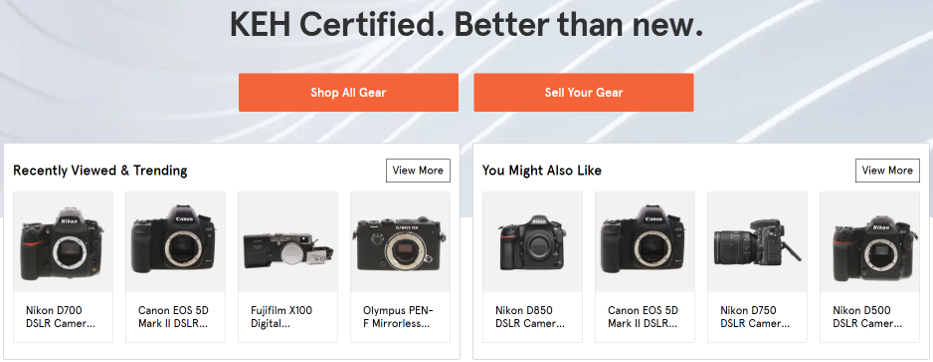
For buying used gear, sites like KEH Camera and B&H Used Department are well-known for quality checks and warranties, which makes them safer than peer-to-peer marketplaces.
By the time you finish this step, you should have a clear list of must-have gear, a few nice-to-have upgrades, and reliable sources for rentals or secondhand equipment. This way, you’ll stay professional while keeping costs manageable.
Step 7: Set Your Pricing
Pricing your photography services is more than just picking a number; it’s about covering your costs, valuing your time, and offering clients packages they can understand.
Here’s how you can set your photography prices:
First, map out your cost of doing business. Add up your equipment, software, insurance, marketing, and daily expenses. Then, decide your target income and estimate how many shoots you can realistically handle each month. This gives you a baseline for setting fair rates.
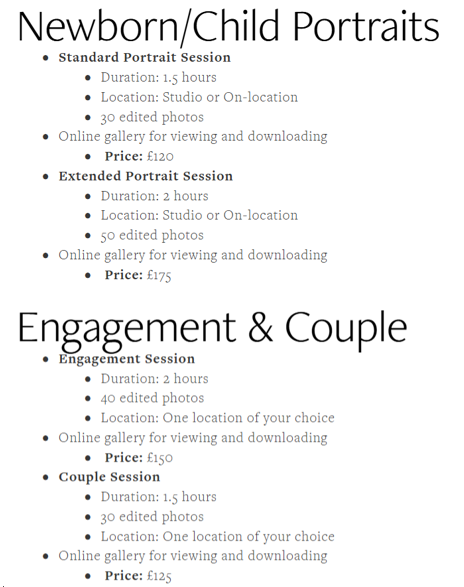
Instead of offering one flat rate, create clear packages. Each package should detail the number of hours you’ll work, the number of edited images the client will receive, the delivery timeline, and any extras such as albums or prints. Packages make it easier for clients to compare options and choose the one that suits their needs.
If you plan to work with brands or businesses, remember usage rights. Commercial photography often requires separate pricing, because clients use your work for advertising or promotions. Factor that into your contracts, so your photos aren’t undervalued.
Also, use market signals to guide your pricing range. Finally, set clear policies for deposits, cancellations, reschedules, and travel fees. These rules protect your time and prevent misunderstandings.
By the end of this step, you should have a professional rate card and a contract template ready to share with clients. This not only shows that you’re organized; it builds trust and makes the booking process smoother.
Step 8: Create Your Photography Website
Your website is one of the most powerful tools for growing your photography business. It’s where clients go to see your work and decide if they want to hire you. That’s why it needs to look professional, load quickly, and make booking easy.
Let’s understand how you can create your website for your photography business:
First, choose your website platform. If you want full control, go with WordPress. Pair it with a fast portfolio theme and plugins for galleries and bookings.

If you prefer something simpler, a no-code website builder like ours with ready-made templates and built-in booking tools and galleries, can get you online faster.

Next, register a short, easy-to-remember domain name that matches your brand, and connect it to reliable Web Hosting. Remember, good hosting ensures your pages load quickly, which improves both user experience and search engine rankings.
Then, pick a theme/template, install it, and customize per your requirements. While creating your website, you should include key pages:
- Home page to introduce your business.
- About page to share your story.
- Portfolio to showcase your best work.
- Services and Packages page with clear details.
- Pricing section.
- FAQs to answer common questions.
- Reviews page with client feedback.
- Contact and Booking page.
- A Blog if you plan to share tips or updates.
Don’t forget SEO basics. Add clear title tags, meta descriptions, and alt text for every image. Use internal links to guide visitors across your site. Set up your Google Business Profileand add the LocalBusiness schema to appear in local searches.
Your site should also simplify bookings and payment. Add a calendar, an intake form, and a secure checkout option for deposits. Automated reminders are a bonus because they save you time and keep clients updated.
Finally, keep website performance in mind. Compress your images, use lazy loading for galleries, and set up caching, so your site runs smoothly.
By the end of this step, you should have a live site showcasing 10 to 15 of your best photos in your niche, one clear call-to-action that directs clients to book, and a booking flow that works without extra back-and-forth emails.
Find the Perfect Domain Name – AI Domain Name Generator
Step 9: Promote Your Photography Business
Even if you take amazing photos when you start a photography business, clients won’t find you unless you promote your work. This is where marketing helps you stay visible, attract the right audience, and build a steady flow of bookings.
To promote your services, choose two or three social platforms where your clients actually spend time. For example, weddings and portraits perform well on Instagram and TikTok, while LinkedIn can be useful for corporate photography. The potential is huge.
Next, build a simple content plan. Share before-and-after edits, short behind-the-scenes clips, client testimonials, and quick carousel tips. This mix not only shows your skills but also makes your audience feel connected to your process.
Don’t skip local SEO. Optimize your Google Business Profile, upload fresh photos weekly, and ask happy clients to leave reviews. These updates improve your site’s chances of appearing when people in your area search for a photographer.
You can also grow through partnerships. Connect with venues, planners, makeup artists, florists, and other local businesses. Referrals from trusted partners often lead to long-term clients.
When you’re ready to spend, run small paid campaigns on Meta (Facebook and Instagram) or Google. Target them by location and audience. Instead of chasing likes, track actual leads and bookings to see what’s working.
By the end of this step, you should have a 90-day marketing calendar, a weekly posting checklist, and a simple test plan for ads. With a clear system, promotion becomes consistent instead of random, helping your business grow faster.
Step 10: Build a Network of Clients After You Start a Photography Business
Once you start a photography business successfully, it’s time to find leads. Getting clients isn’t just about booking one job; it’s about turning happy customers into long-term supporters who keep returning and tell others about your work. A strong client network is the backbone of a successful photography business.
Here’s how to build a network of clients after you start a photography business:
- Start by giving every client a great experience.
- Reply quickly to inquiries.
- Set clear timelines.
- Always deliver photos when promised.
- Small touches such as clear communication and professional delivery build trust and make clients more likely to recommend you.
Once you’ve delivered a project, ask for testimonials and Google reviews. Positive reviews improve your online presence and help new clients feel confident choosing you.
To grow faster, set up a referral program. Offer rewards such as a free print, a discount on their next session, or a bonus photo package when they refer a new client. These small incentives encourage word-of-mouth marketing.
Don’t stop communicating after the first project. Stay in touch with past clients by offering seasonal mini sessions, sending anniversary emails, or creating VIP offers for repeat customers. This helps you stay top of mind when they or their friends need a photographer again.
By the end of this step, you should have a simple follow-up workflow, such as a five-step email sequence and a basic customer relationship management (CRM) spreadsheet to track leads, repeat clients, and referrals. With this system, you’ll always know where your next booking is coming from.

FAQS
When I start my own photography business, should I specialize in one niche or offer multiple services?
It’s best to start with one niche that has strong demand, such as weddings, portraits, or real estate photography. Focusing on a niche helps you market clearly. Once you establish yourself, you can expand into other services if it makes sense.
How do I get my first photography clients when I start a photography business?
Begin with your personal network, including family, friends, and local groups. Offer discounted or free mini sessions to build a portfolio and gather reviews. Share your work on social media and set up a Google Business Profile so local clients can find you.
What’s the most effective way to market it when I start a photography business?
Use a mix of strategies: post regularly on social media, optimize your website for local SEO, collaborate with local businesses, and ask past clients for referrals. Even a small paid ad campaign targeting your city can attract your first few bookings.
Is it possible to start a photography business without a studio?
Absolutely. Many photographers shoot on location at homes, parks, or event venues. You can also rent studio space by the hour, when necessary, which saves costs in the early stages.
How do I decide between a sole proprietorship and an LLC?
A sole proprietorship is simpler and cheaper to set up, but it doesn’t protect your personal assets. An LLC separates your personal and business finances, offering more protection, though it usually costs more to maintain.
Other Blogs of Interest
– Small Business Owner Tips on Choosing the Best Domain and Hosting
– What Is The Best Email Hosting For Small Business
– Best Cheap Website Builder For Small Businesses
– 6 Tips to Find the Best Email Hosting for Small Business
– 8 Website Design Tips For Small Business
- About the Author
- Latest Posts

Chantél Venter is a creative writer, strategic thinker, and a serious gesticulator. She’s passionate about storytelling, small businesses and bringing color to the world – be it through her words or wardrobe.
She holds a four-year degree in Business and Mass Media Communication and Journalism. She’s been a copywriter and editor for the technology, insurance and architecture industries since 2007 and believes anybody can run a small business successfully. She therefore enjoys finding and sharing the best and most practical tips for this purpose.