


 Contact Support
 Sign In
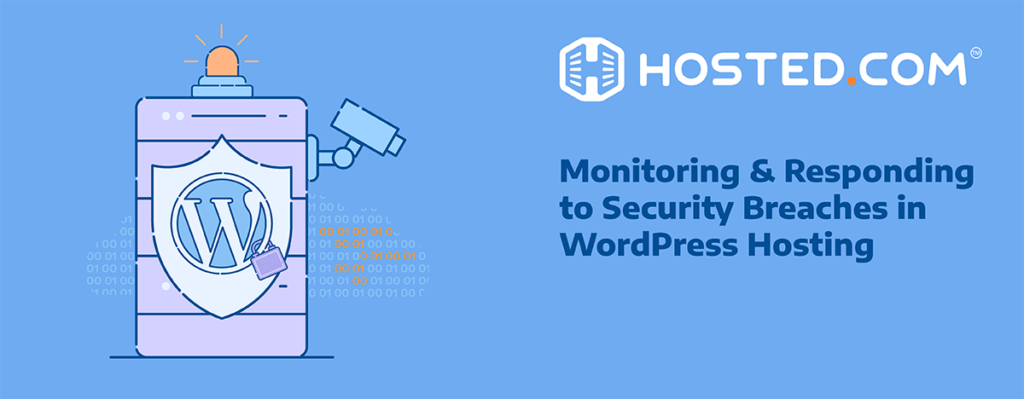
A WordPress security breach can have devastating consequences, from data loss to SEO (Search Engine Optimization) penalties and more. As a website owner or administrator, staying vigilant against security threats is crucial. This article will tell you how to monitor your WordPress Hosting account and site for potential security breaches before they cause serious damage. We’ll also show you the tools you can use to check your website and identify possible breaches. Learn how to stay ahead of cyber threats and ensure the safety of your website, protect your data, reputation, and users.
KEY TAKEAWAYS
- Regularly monitoring your site for security breaches is crucial for protecting your website data, SEO ranking, and visitor trust.
- Implementing a combination of methods will provide a comprehensive way to monitor and secure your WordPress site.
- Utilizing a combination of built-in WordPress tools and third-party solutions provides comprehensive security coverage.
- By following these additional security tips, you can significantly reduce the risk of a successful security breach.
- Promptly investigate any signs of a breach and take necessary actions to mitigate damage.
Table of Contents
Why Monitor Your Site for a WordPress Security Breach?
While WordPress offers a range of benefits for creating websites, it’s also a target for hackers, making WordPress security essential. These malicious actors exploit website vulnerabilities to gain unauthorized access, steal data, inject malware, or disrupt operations. A security breach on your WordPress site can have a domino effect of negative consequences.
Data Loss:
Sensitive information like user passwords, customer details, or internal documents can be compromised during a breach. This can lead to financial losses, identity theft, and reputational damage.
SEO Penalties:
Search engines penalize websites infected with malware or deemed unsafe. This can significantly impact your website’s visibility in search results, leading to a drop in organic traffic.
Loss of Trust:
Visitors expect to be protected when online. If your website is breached, users may lose trust in your ability to protect their data and may be hesitant to visit and interact with your site again.
Compliance Issues:
Depending on your industry and location, data breaches may violate regulations that mandate specific user data security and privacy. Failing to comply can result in hefty fines and legal repercussions.

Essential Methods for Monitoring WordPress Security
Maintaining the security of your WordPress site requires a multi-pronged approach. Here are some essential methods to effectively monitor your website for any potential threats:
Security Plugins
Several security plugins offer a comprehensive suite of monitoring tools. These plugins can scan your site for malware, vulnerabilities, and suspicious activity. They can also monitor file changes, repeated login attempts, and block brute-force attacks.
One of the key features of security plugins is the ability to set up email notifications and alerts. This functionality ensures you’re immediately informed of potential security issues. Configuring these alerts effectively can save you from the constant need to manually check for threats, providing peace of mind and freeing up your time to focus on other aspects of your website management.
File Monitoring
WordPress core files are the foundation of your website. Regularly monitoring these files for any unauthorized changes can indicate a breach. You can achieve this by utilizing file integrity monitoring tools or manually comparing core file versions with the official WordPress repository.
Monitoring User Activity
Keeping track of user activity within your WordPress admin panel provides valuable insights into potential security threats. Using activity logs can track user logins, edits, and other actions. Monitoring unusual activities, such as login attempts from unrecognized locations, IP addresses, or excessive site changes, can help you identify compromised accounts or suspicious behavior.
It’s essential to understand who accesses your site and what actions they perform. For example, multiple failed login attempts from a foreign IP address might suggest a brute-force attack attempt. Always provide the minimum level of access necessary for users to perform their tasks.
Beyond security, they can provide insights into user behavior and website performance. For example, they can help identify bottlenecks or unpopular pages, guiding you to make informed improvements to the site structure and content.
Error Logs and Reports
WordPress generates error logs that list any issues encountered during website operation. These logs can reveal suspicious activity, failed login attempts, or plugin conflicts. Additionally, some security plugins provide detailed reports summarizing identified vulnerabilities, malware scans, and website security posture By regularly reviewing these you can stay informed about potential security concerns and take corrective actions.
Regular Security Scans
Regular, automated security scans are an essential part of maintaining a secure WordPress website. These scans proactively identify vulnerabilities in your website’s code, configuration, and files that attackers could exploit. Popular security plugins have comprehensive scanning solutions that check for threats. Ensure that the scanning tools are configured to check all your site components, including themes, plugins, and core files. They should check for:
- Malware: Malicious software that can steal data, disrupt website functionality, or redirect visitors to harmful sites.
- Bad URLs: Broken links or links that redirect users to phishing websites.
- Backdoors: Hidden access points created by attackers to gain unauthorized entry into your website.
- SEO Spam: Techniques used to manipulate search engine rankings with malicious intent.
- Outdated Software: Outdated versions of WordPress core, plugins, and themes can contain known vulnerabilities.
Additional Security Tips for WordPress Websites
Two-Factor Authentication (2FA):
2FA greatly reduces the risk of security breaches. Users must provide their password and a verification code sent to another device. This ensures that even if a password is compromised, unauthorized access is still blocked.
Strong Passwords:
Using strong passwords helps avoid breaches. Have passwords of a minimum of 12 characters with a mix of uppercase and lowercase letters, numbers, and symbols. You can also use a password manager to keep your passwords secure.
Regular Updates:
Keep WordPress core, plugins, and themes updated as outdated software creates openings for attackers. Developers release updates to address security vulnerabilities, Regularly update your site, and activate automatic updates.
User Access and Roles:
Limit access on your WordPress site. Only grant admin access to those who need it and assign appropriate roles for other users. This reduces damage from internal threats and potential human error that could expose security gaps.
Secure wp-config.php File:
The wp-config.php file contains sensitive data. Secure it by setting the correct file permissions and, if possible, moving it outside the public directory. This prevents unauthorized access or modification of your core configuration.
Install Firewalls:
A firewall adds an extra layer of security by filtering traffic and blocking unauthorized data entry or exit. It can help prevent SQL injection, cross-site scripting (XSS), and other common WordPress security issues.
Regular Backups:
Regular backups are your safety net in case of a security breach or data loss. Automated backups ensure can quickly restore your website to a previous state without significant downtime or data loss. Ensure backups are stored safely.
Install SSL Certificates:
SSL (Secure Sockets Layer) Certificates encrypt data being transferred between your hosting server and users’ browsers. This helps stop it from being intercepted and read by hackers. It can also increase user trust and SEO.
Setting Up WordPress Security Monitoring
The specific setup process for security monitoring tools will vary depending on the chosen tool and your technical expertise. However, here’s a general guide to get you started:
1. Choose Your Tools
Explore popular plugins and software options like Wordfence, Sucuri Security, or iThemes Security. Consider factors like features offered, pricing, and ease of use when making your selection.
When it comes to monitoring tools, several free and paid options are available. Consider tools like Tripwire for advanced users or monitoring plugins for WordPress if you prefer a simpler solution.
2. Install and Activate
Most security plugins can be installed directly from your WordPress admin panel. Navigate to the “Plugins” section, click “Add New,” search for your chosen plugin, and follow the on-screen instructions for installation and activation.
The installation process for monitoring tools can vary depending on your operating system and chosen software. Refer to the tool’s documentation for specific instructions.
3. Configure Monitoring Settings
Most plugins offer a user-friendly interface for configuring security settings. Explore the plugin’s options to enable features like malware scanning, file change monitoring, and login attempt notifications. You can often customize these settings to fit your specific needs.
Monitoring Tools: These tools typically require some technical configuration. Consult the documentation for detailed instructions on setting up file paths, scheduling scans, and receiving alerts.
4. Additional Integrations
Some security plugins offer integrations with external services for enhanced monitoring. These may include integrations with security report providers or notification services for receiving real-time alerts.
5. Test and Monitor
Once configured, run a test scan with your chosen tools to ensure they function properly. Regularly review security reports, logs, and alerts generated by these tools to stay informed about potential security threats.
Identifying Potential Security Breaches
Even with the right security in place, the possibility of a security breach can never be eliminated. However, knowing what signs to look for can help you identify and respond quickly. Here’s how to spot potential security threats and take appropriate action:
Unusual Admin Panel Activity:
Monitor your WordPress admin panel activity logs. Watch for suspicious activity such as login attempts from unrecognized locations, repeated failed logins, edits made by unknown users, or unusual file modifications.
Content or File Changes:
Unexpected changes to your website content, themes, plugins, or core files can indicate a breach. Regularly review your site for any unauthorized modifications or the presence of unfamiliar files.
Search Engine Blacklisting:
If your website is blacklisted by search engines due to malware infection or suspicious activity, it’s a strong indicator of a potential breach. Search engines will typically notify you of such blacklisting, but it’s also advisable to monitor your website’s search ranking for any sudden drops.
Visitor Complaints:
If visitors to your website encounter malware warnings or experience unusual behavior while browsing your site, it could be a sign that your website has been compromised Take these complaints seriously and investigate them promptly.
Responding to Breaches
- Investigate Immediately: Don’t ignore any signs of a potential breach Promptly investigate the suspicious activity to determine its nature and scope. Utilize security logs, website backups, and available monitoring tools to gather evidence.
- Isolate the Threat: If a breach is confirmed, take immediate steps to isolate the threat and prevent further damage. This may involve changing passwords, disabling compromised plugins, or temporarily taking your website offline.
- Remove Malicious Code: Once the threat is isolated, identify and remove any malicious code injected into your website files or database. Utilize security plugins or seek professional help to ensure complete removal.
- Recover and Secure Your Site: After removing the malicious code, restore your website from a clean backup created before the breach. Additionally, strengthen your website by updating all software, changing passwords, and adding extra security measures.
- Report the Breach (if necessary): Depending on the nature of the breach and the type of data compromised, you may be required to report the incident to relevant authorities or regulatory bodies.

FAQs
How do I know if my WordPress site has been hacked?
Look for signs like unexpected changes to your site, unusual admin activities, or security plugin alerts.
Why is it important to monitor my WordPress site for security breaches?
Regular monitoring helps identify suspicious activity early on, minimize damage from breaches, and protect your website’s data and reputation.
What are the consequences of a security breach on a WordPress website?
Data loss, SEO penalties, loss of visitor trust, and potential legal issues depending on regulations and compromised data.
How often should I scan my WordPress site for security issues?
Scan your site at least weekly, but daily scans are ideal for optimal security.
What should I do immediately after detecting a security breach?
After detecting a breach, isolate the threat, change all passwords, and run a thorough malware scan.
How important is keeping WordPress updated for security monitoring?
Updates are essential for WordPress security. New software versions often include security patches and improved monitoring.
Other Blogs of Interest:
– WordPress SQL Injection: 5 Tips to Secure Your Site
– Keep Safe: Implementing WordPress Two Factor Authentication
– WordPress DDOS Protection: Shield Your Website From Online Threats
– WordPress Security Plugins: Enhancing Your WordPress Site’s Safety
– The Role of Backups in WordPress Hosting Security
- About the Author
- Latest Posts

Rhett isn’t just a writer at Hosted.com – he’s our resident WordPress content guru. With over 6 years of experience as a content writer, with a background in copywriting, journalism, research, and SEO, and a passion for websites.
Rhett authors informative blogs, articles, and Knowledgebase guides that simplify the complexities of WordPress, website builders, domains, and cPanel hosting. Rhett’s clear explanations and practical tips provide valuable resources for anyone wanting to own and build a website. Just don’t ask him about coding before he’s had coffee.